
RIT Annual Report 2024-2025
Refugee & Immigrant Transitions (RIT) delivered educational programs for adults, youth, and toddlers; provided client-centered family support and wellness; partnered with community leaders and volunteers; fostered community partnerships in the San Francisco Bay Area; and increased our advocacy and public education efforts.
RIT served 2,000 refugees & immigrants from ~40 countries:
Top countries of origin: Guatemala, Afghanistan (top 2), Yemen, Burma, Ukraine, El Salvador, Mexico, Honduras, Eritrea, Cuba, Haiti.
Geographical Regions of Origin
Approx. 74% of RIT clients resided in Alameda County, 20% in San Francisco County, 5% in Contra Costa County, and 1% other (Sacramento, Santa Clara, and other Northern California counties).
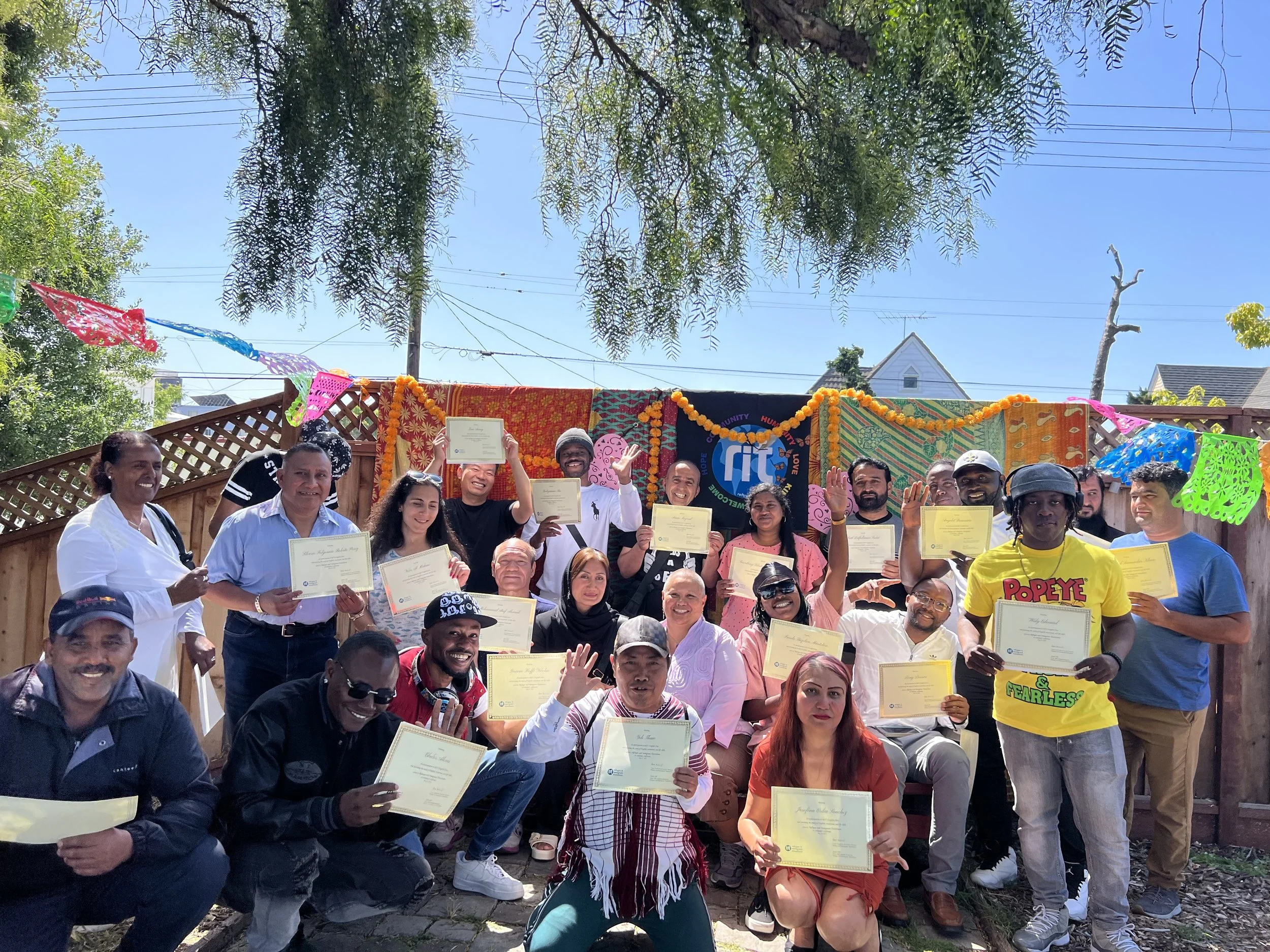
Adult students built English skills:
550+ adult students attended classes including: English language, Vocational, Citizenship, Afghan Women's Classes & California DMV Knowledge Test Preparation.
Total: 49,400+ instructional hours. Teachers use real-life learning contexts for students to navigate their new community, such as: employment, health appointments, parent/teacher conferences, etc.
RIT classes are multilingual and multicultural: Instructors speak Dari, Pashto, and Spanish. Classroom assistants speak Arabic, Mam, Spanish, and Tigrinya.
Multilingual instruction/ Translanguaging provides a pathway to acquire English while maintaining and sustaining students’ other languages. Translanguaging helps students increase their comprehension of the subject matter so that they can participate in class. In addition, "translanguaging indicates a stance of respect for and cultivation of students' full linguistic and cultural repertoires" (García & Kleyn, 2016, as cited in Bajaj et al., 2023)
Beginning Literacy: students' English gains outperformed California state goal by 20% and state average by 8!**
Beginning Literacy learners have been our agency's focus population since its beginning in 1982. Many of these community members are new to formal education, and some are new to written language, including in their home language. RIT focuses on meeting our adult learners' needs through high quality acceleration support: ongoing assessments, first language classroom support, structured literacy, translanguaging and 1-1/small group tutoring as needed.
**As a California Dept. of Education grantee since 2001, RIT formally pre- and post-tests students with the nationally recognized Comprehensive Adult Student Assessment System (CASAS). Gains are defined by % of pre- and post-tested students who achieve the rigorous goal of advancing to the next language level (according to the National Reporting System). State goals and averages are set for adult schools, community colleges, and community-based organizations. Latest available: 2023-2024 goals and averages.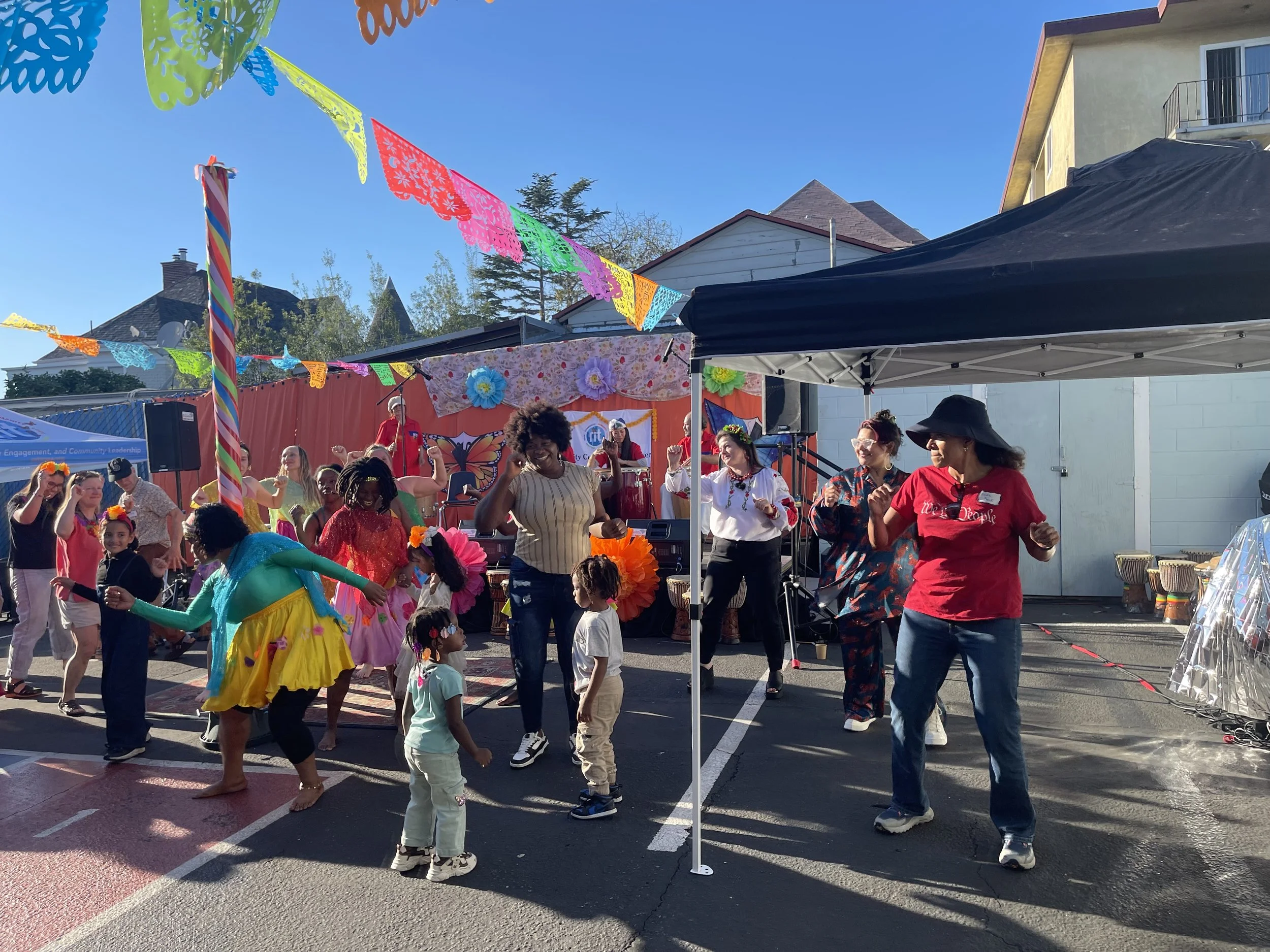
Adult students enhanced community navigation skills & sense of belonging:
80% of adult students who took RIT’s self-efficacy assessments, passed. These tests assess real-life topics that include filling in a job application, demonstrating successful job interviewing techniques, making inquiries at a bank, or calling the school to inform them of their child’s absence.
Students report positive experiences: 87% of the 45 surveyed students agreed that "I feel more confident using English in my daily life (because of the English classes at RIT)" and 87% agreed that ""RIT staff make me feel welcome".
RIT reduced childcare barriers to education:
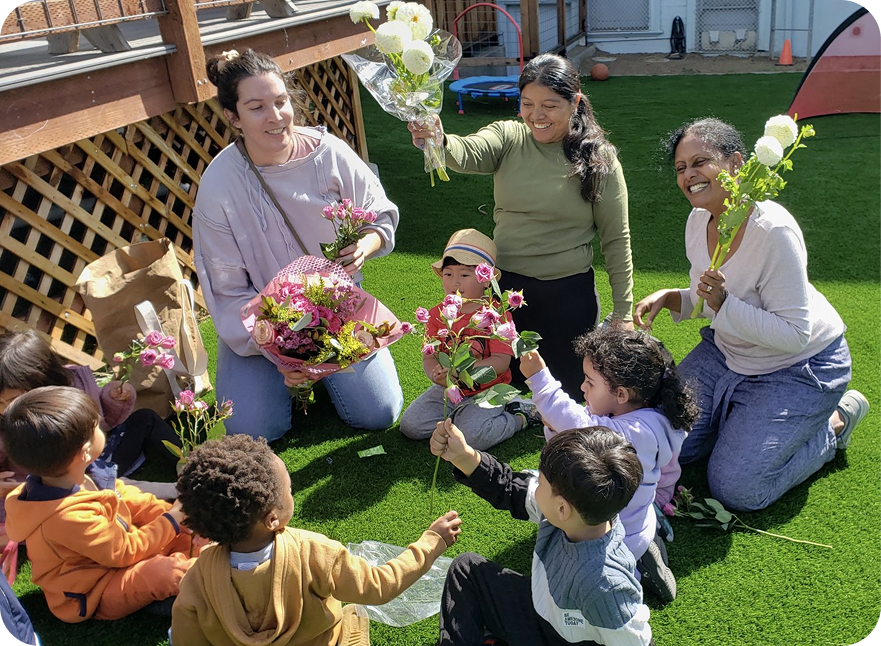
RIT's childcare program welcomed 43 tots while parents attended RIT's English classes! The program focuses on 6 pillars:
Supporting whole families
Building verbal fluency and growing foundational skills for literacy
Providing structure and freedom for kindergarten readiness
Honoring students' languages
Respecting cultural heritage
Connecting kids to nature
Clients built community & learned about their rights:
Afghan Pathways to Wellness: 100 Afghan women engaged in Psychoeducational Workshops and 8-week Support Groups led by a multilingual team. Workshops included Stress Management, Personal Growth & Identity, and Women's Health topics.
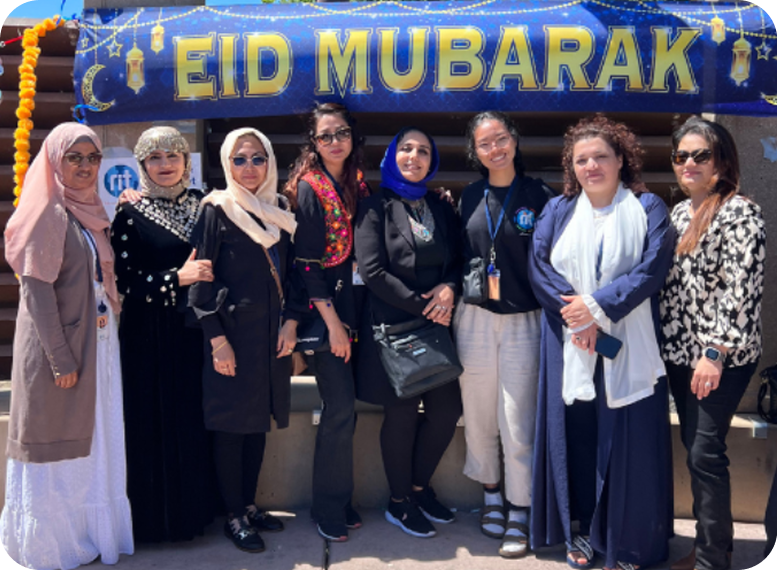
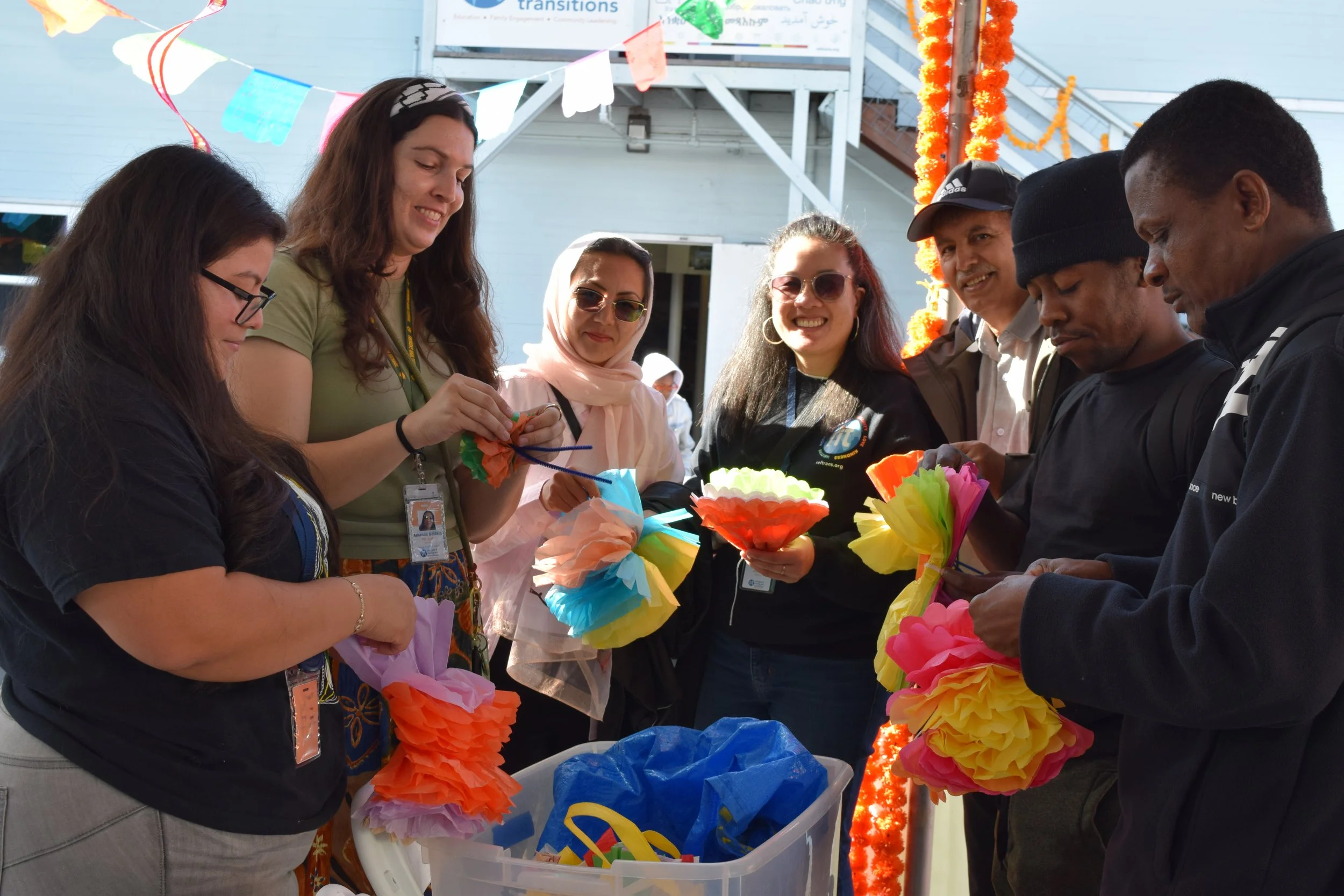
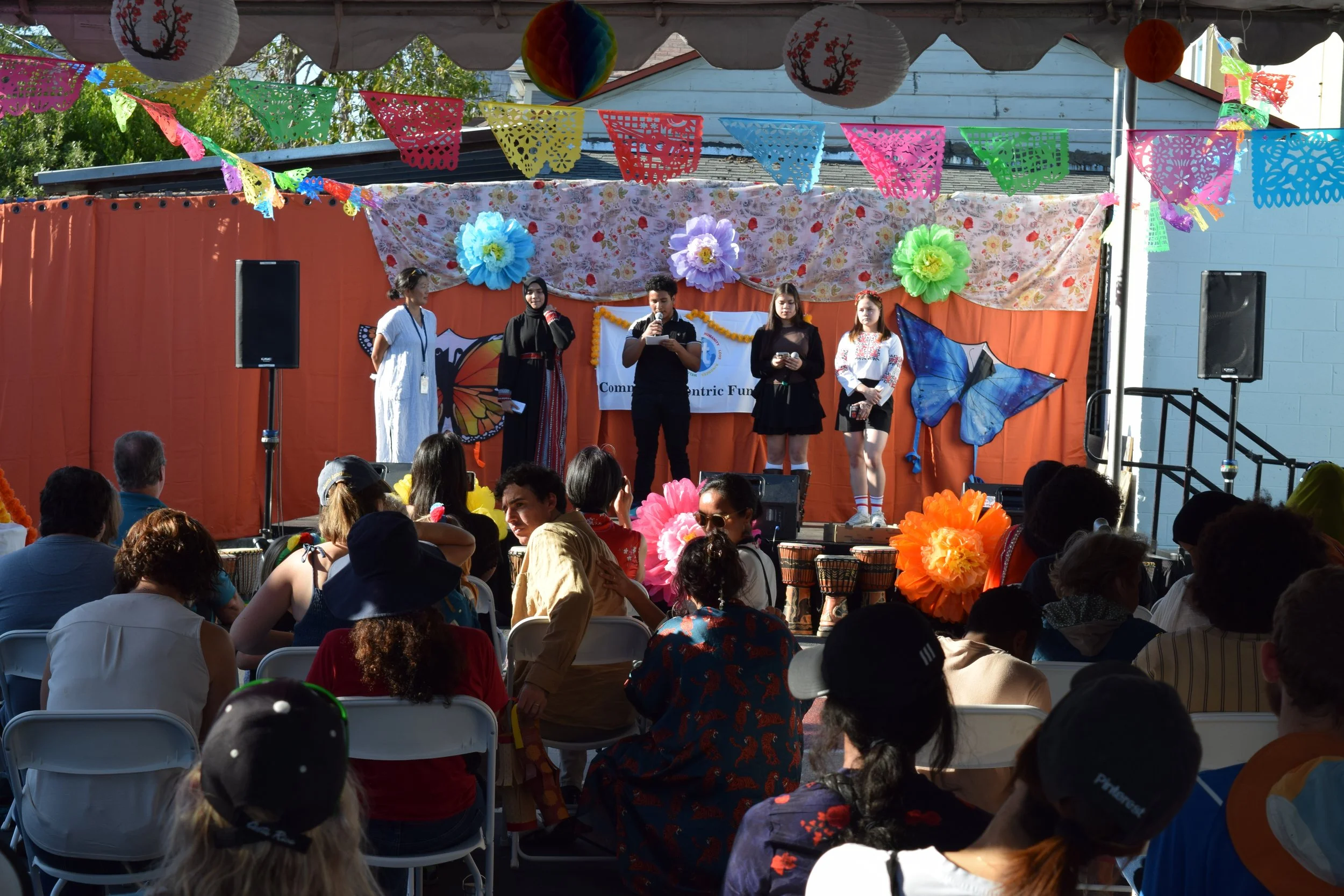
Community Gatherings: 200+ clients and family members attended gatherings such as Eid Event, Year-end celebrations, World Refugee & Immigrant Day.
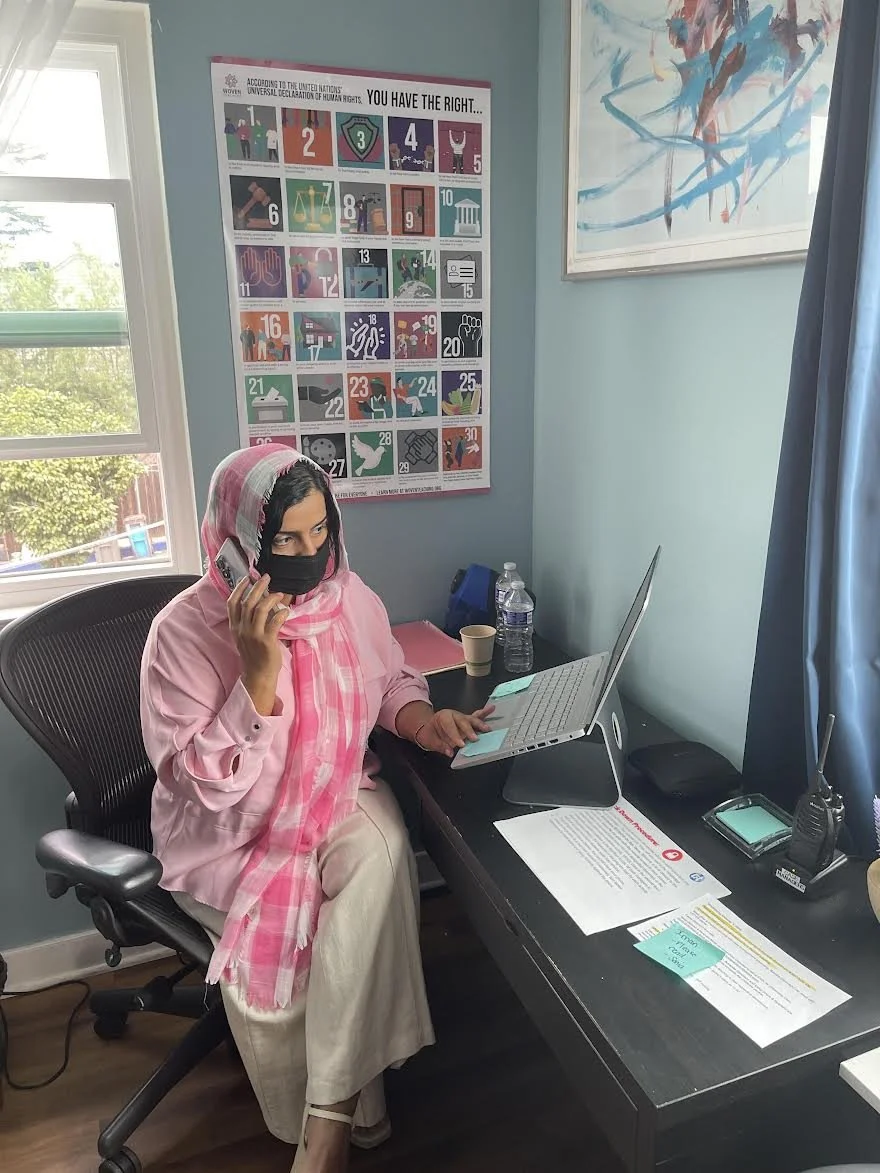
Know Your Rights: Everybody at RIT's Oakland community hub received a red card and detailed Know Your Rights information and resources. Additionally, RIT led Know Your Rights efforts at Fremont High School (our partner school).
Multilingual team helped clients navigate community:
RIT's multilingual case management team provided interpretation, navigation, and linkage services to 389 newcomers.
2,200+ case management meetings (many clients seek support with complex issues).
Case management team speaks clients' most common languages: Burmese, Dari, Pashto, Spanish, Russian, Ukrainian.
92% of clients had 1 or more issue successfully resolved, or goal reached.
Top 5 issues:
Education: referrals to adult education, school enrollment/registration for clients’ kids.
Public benefits enrollment, troubleshooting, support with vital documents (social security number, employment authorization, etc.)
Immigration: navigating process and paperwork.
Employment resources linkage.
Affordable housing referrals.
Youth engaged in academics & mentorship:
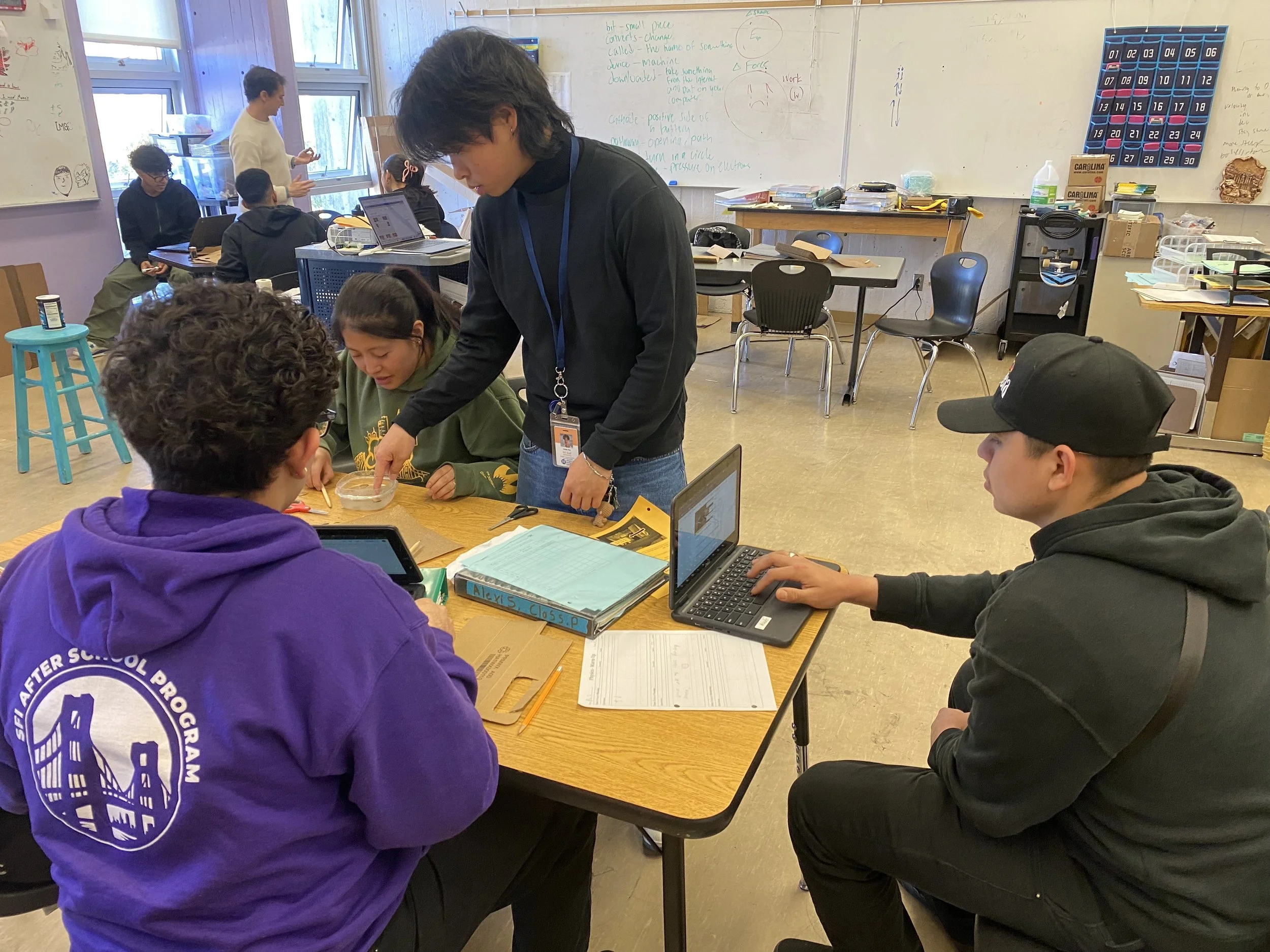
600+ youth attended RIT's School based academic support at 6 partner public schools, including 3 NEW schools in FY 2024-2025:
After-school tutoring & mentoring: Fremont High School (Oakland)
Daytime classroom support: reducing student/teacher ratio in ~100 class periods weekly: Fremont High School (Oakland), SF International High School (San Francisco), Visitacion Valley Middle School (San Francisco), and NEW! Castlemont High School (Oakland), Burton High School (San Francisco), and Ygnacio Valley High School (Concord).
110 youth and young adults received 1-1 support from RIT youth program staff or trained/vetted volunteers, ranging from academic tutoring and mentoring, to referrals and advocacy.
Including: newcomer Afghan youth enrolling in our new partner district: Mount Diablo Unified School District (Contra Costa County).
Skill-building workshops: Based on goals identified by students themselves, RIT continued to provide youth workshops: DMV Knowledge Test Preparation and (with partner 1951 Coffee) Barista training.
Youth grew leadership skills:
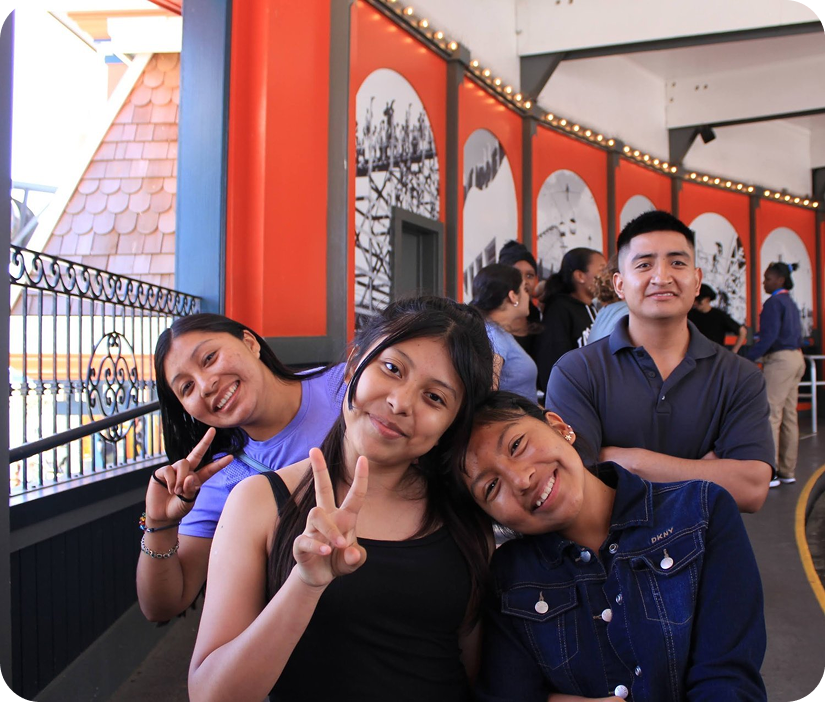
Based on their leadership skills and initiative to contribute, 19 refugee and immigrant students were recruited to participate in RIT’s Youth Leadership programs. These are paid internships that build job and leadership skills:
Peer Tutors at Fremont High School (Oakland): 9 youth provided tutoring/mentoring in RIT's after-school program. Together with RIT program staff and volunteers, the team tutored 123 students. Three current RIT staff on the East Bay Youth Program Team, are former RIT Peer Tutors at Fremont High School!
Wellness Ambassadors at San Francisco International High School: 10 youth were trained to provide community outreach on the State of California's public health priorities. They conducted 1136 outreaches on topics such as Extreme Heat, Youth Behavioral Health, and Water Conservation. Wellness Ambassadors also ran campaigns on additional topics important to youth, such as Screen time, Time management for teenagers, and The truth about vaping.
Scholarly article by Jane Pak, Jyoti Gurung, Amy Argenal (RIT Staff & Board Team): “Refugee and Immigrant Youth Leaders: Strengths, Futurity, and Commitment to Community”.
This study explored the Youth Leadership/Peer Tutoring program at RIT. Bringing together works on Community Cultural Wealth (with the addition of Migration Capital) and Critical Refugee Studies collectively as a conceptual framework, this study highlights three themes: (a) commitment to community, family, and giving back; (b) encouraging communication and cultivating a pan-newcomer community; and (c) leadership as commitment to community and positive, collective futurities. Data support a strengths-based framework when working with refugee and immigrant youth as they transition and adjust to their new school environments and communities. The study included 12 participants who all participated as youth leaders/peer tutors in RIT’s Youth Leaders/Peer Tutoring program. Countries of origin included Burma (Karen), Bhutan, Nepal, China, and El Salvador.
Our hope is for this study to reveal possibilities for extending welcome and mutual support through a strengths-based lens within diverse newcomer peer learning environments.
RIT supported Mam speakers in Oakland public schools:
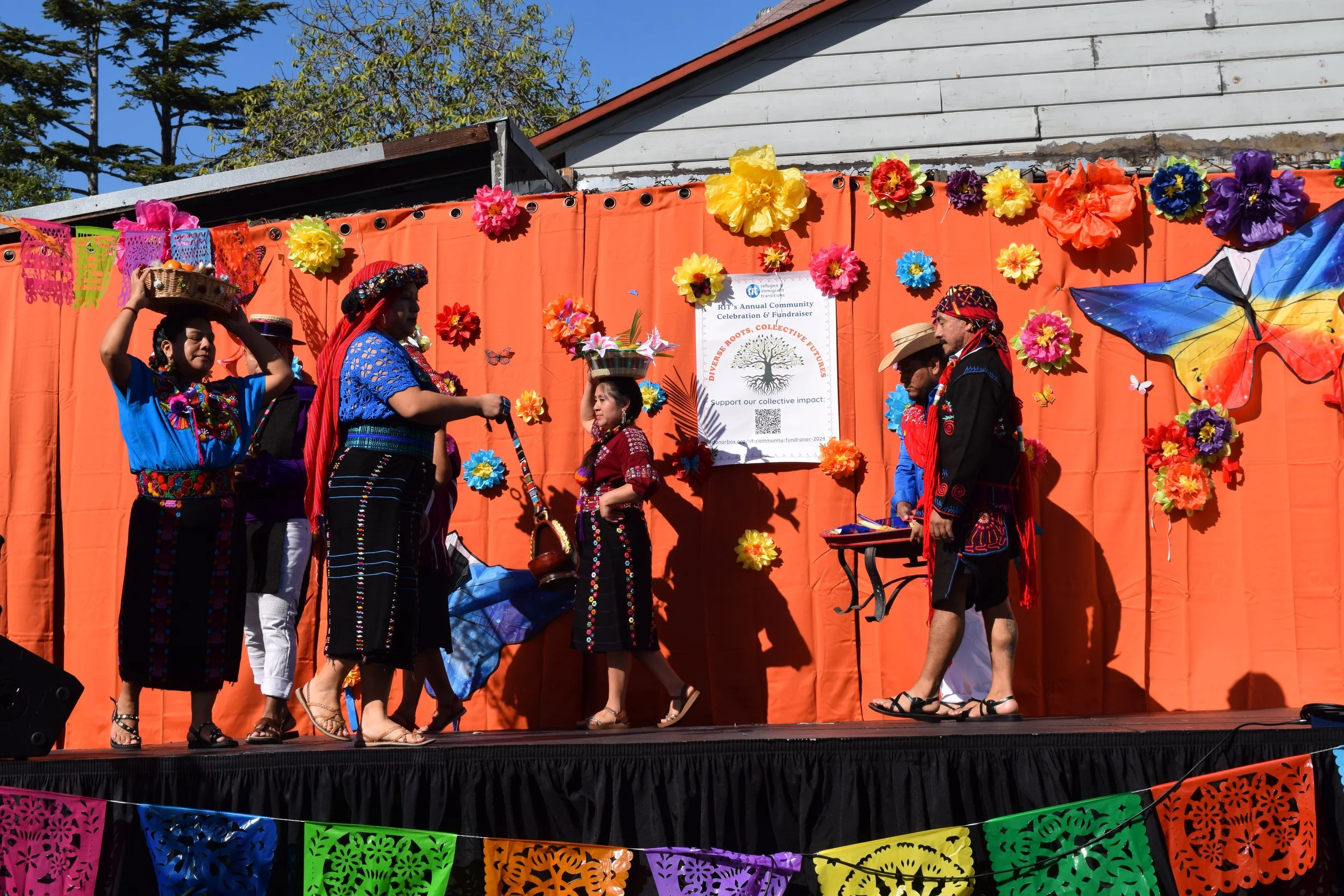
RIT assisted 400+ Mam and Spanish speaking youth and family members with school enrollment support, interpretation, and connection to community resources at 30+ school sites in Oakland Unified School District.
Speakers of Mam (an Indigenous Mayan language group from Guatemala) are the 2nd most common group of newcomers arriving in Oakland public schools (after Spanish speakers).
Volunteers contributed 2,000+ hours of support:
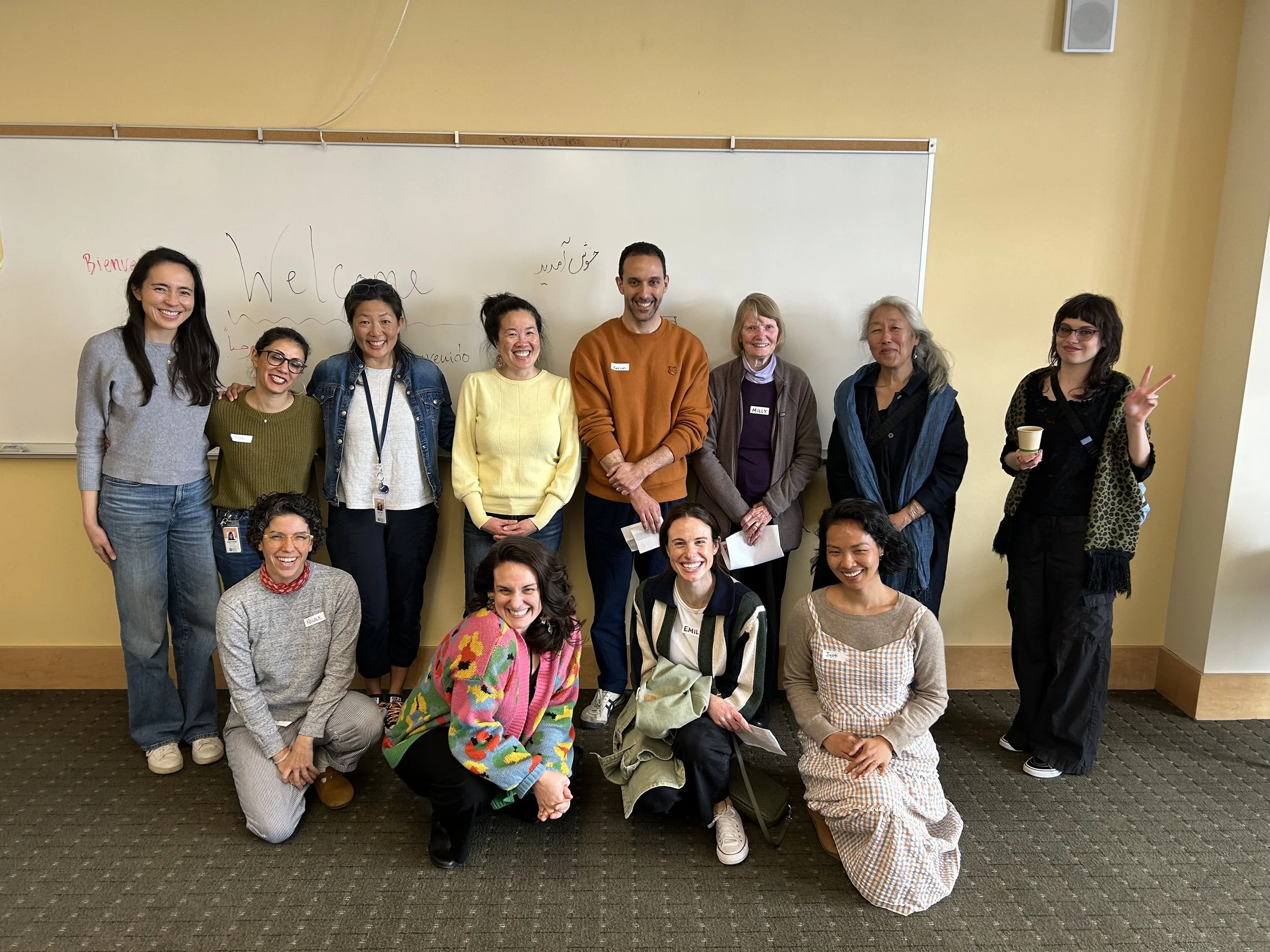
Our impact is collective, including not only staff, interns, and other community members, but also 74 volunteers. They worked as Tutors, Mentors, and Adult class assistants, contributing 2,000+ hours.
Last year's cohort included 8 rock star volunteers who have been with RIT for 10+ years!
RIT increased advocacy efforts:
RIT works with a diversity of immigrant & refugee communities from 40 countries around the world who are not always included in public programs, policy or funding considerations, advocacy and/or coalition spaces that may focus on a particular community, language group, immigration status, etc. While coalition spaces are growing and becoming more inclusive of diverse groups, there is still a gap. It is thus essential that RIT continue to raise awareness about systemic inequities and exclusionary practices, and advocate for ALL people who seek refuge. Our advocacy activities have included:
Partnering with coalitions such as the California Welcome Coalition;
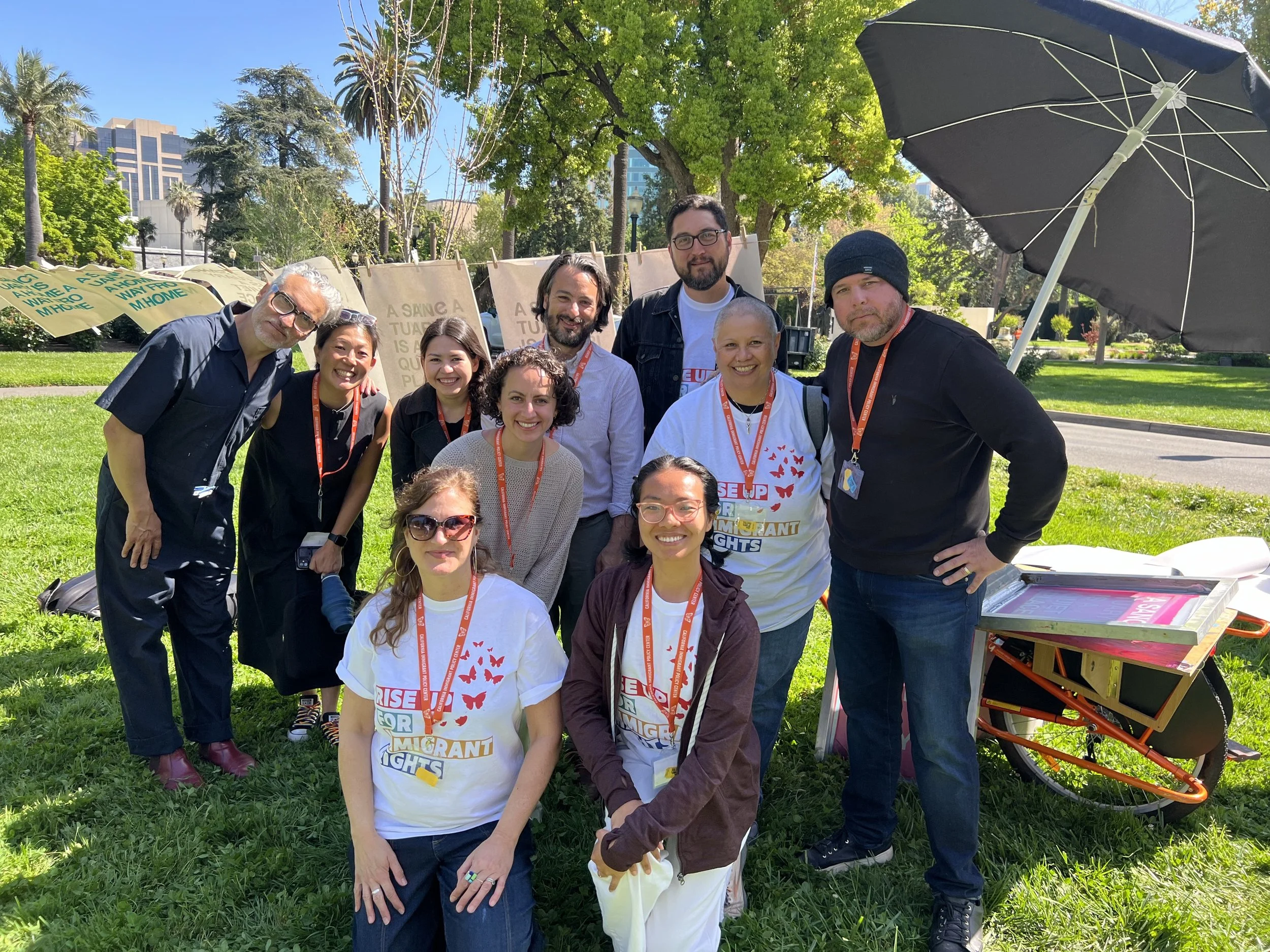
Participating in state advocacy days led by California Immigrant Policy Center (CIPC);
Meeting with state legislators, local government agencies; and state partners;
Serving on community and public boards/councils, including the State Advisory Council for the Refugee Program Bureau, California Department of Social Services; East Bay Refugee & Immigrant Forum; ReCAST, etc.;
Taking part in advocacy campaigns such as sign-on letters, amicus brief and other initiatives relevant to our communities' concerns.
RIT grew our public education:
RIT has increased our public presentations and conversations to offer humanizing alternatives to anti-immigrant narratives. Our recent presentations include: